Follow Us

Showing posts with label TV Series. Show all posts

Thursday, 12 March 2026

Beyond Bridgerton: The Period Dramas That Go Deeper, Darker and Dirtier

March 12, 2026


So, the new season of Bridgerton has ended and after watching it twice, you have gone back to re-watching your favourite scenes in reels. The good news is that the world of historical fiction on screen is wonderfully vast!

Three shows in particular deserve your immediate action! Whether it's biting wit, palace intrigue or drawing room warfare, you will find a mixture of all in The Great, The Empress, and The Gilded Age. 

Each of these shows offer something unique to a historical fiction lover and they deserve a place at the top of your must-watchlist. 


The Great: A Not-so-Romantic Dark Comedy

If Bridgerton is the romantic fantasy of the past, The Great (JioHotstar, 2020-2023) is a fantasy with its gloves off and a knife behind its back. This series follows Catherine, a young German princess who arrives in Russia expecting a cultured court and finds herself married to Emperor Peter III, a man of almost theatrical stupidity and startling cruelty.

What makes The Great so extraordinary is its refusal to play it straight. The show opens with the disclaimer "an occasionally true story," and it means it. The costumes are sumptuous and historically detailed, yet the characters speak with thoroughly modern cadences. We find that this Catherine swears and Peter delivers absurdist monologues. The court gossips with the energy of a reality television confessional and yet underneath all the anachronism, the show is doing something genuinely sophisticated: it's using the eighteenth century as a mirror for timeless questions about power, ambition, complicity and what it costs a woman to take control of her own story.

Elle Fanning's Catherine is one of the most compelling protagonists in recent television. She is idealistic and calculating in equal measure while being genuinely funny and quietly devastating. She arrives in Russia with Enlightenment philosophy in her luggage and a romantic's heart and the show charts her slow, painful, hilarious transformation into someone who can survive the machinery of absolute power. Nicholas Hoult as Peter is a revelation: he plays the Emperor as a man-child of such breathtaking self-absorption that you somehow end up almost sympathetic. Almost being the key word. 

For the Bridgerton fan, The Great scratches that itch for palace hierarchy, social maneuvering and explores the question of what women could and couldn't do within the constraints of their world. But it adds something Bridgerton rarely ventures into: genuine darkness. Affairs, executions, betrayals and more. We find that the court here has real teeth, and the show doesn't flinch from taking the darkness to greater depths and heights. The result is a historical drama that is genuinely dangerous-feeling, where the stakes are life and death rather than merely a good match for the Season.

The Great is for you if: You love your period drama with black comedy, want a heroine who is morally complicated rather than morally aspirational and appreciate historical fiction that winks at its own artifice while still being deeply and earnestly about something real.


The Empress: Romance With Real Consequences

Where The Great subverts the historical romance, The Empress (Die Kaiserin, Netflix, 2022-present) inhabits it fully and without apology. This German-language series follows Elisabeth of Bavaria (the legendary "Sisi") as she falls into an unexpected courtship with Emperor Franz Joseph of Austria and finds herself thrust into the Habsburg court, one of the most rigid, protocol-bound institutions in European history.

If Bridgerton gave you butterflies, The Empress will give you a full symphony. The romance between Sisi and Franz Joseph is genuinely electric. It is combustible, inconvenient chemistry that historical fiction does best. But what elevates this show above a simple love story is its insistence on showing exactly what it means for a free-spirited young woman to step inside a gilded cage. The Habsburg court is presented as a place of extraordinary beauty and suffocating rules, where Empress Sophie (Franz Joseph's formidable mother) controls not just court etiquette but the emotional and political fate of everyone around her.

The tension between Sophie and Sisi is the engine of the series and creates binge-worthy television. Sophie is not a pantomime villain. She is a woman who has survived decades of court politics by becoming the system itself and she sees in Sisi not just an unsuitable match but a threat to everything she has sacrificed to maintain. Their confrontations crackle with the electricity of two women fighting for influence in a world that gives them none of the formal power but all of the real stakes.

The show is also visually ravishing in a way that rewards attention. The Habsburg palaces are rendered with a specificity that feels almost archaeological. Every piece of porcelain, every chandelier, every carefully ranked seating arrangement at dinner communicates the logic of a world where form is substance and where the way you hold your fork communicates your politics. For viewers who love Bridgerton for its aesthetic pleasure, The Empress delivers it in extraordinary measure.

The second season deepens the political intrigue considerably, weaving in the revolutionary currents sweeping mid-nineteenth century Europe and showing how the personal and the political are utterly inseparable at the level of empire. Sisi is no longer simply navigating her mother-in-law. She is navigating history.

The Empress is for you if: You want all the romance and visual splendour of Bridgerton but with a more complex emotional register, and you're interested in stories about what it costs to exist within powerful institutions, especially as a woman.


The Gilded Age: Class War in a Changing America

If The Great is historical fiction as satire and The Empress as romance, then The Gilded Age (JioHotstar, 2022–present) is historical fiction as social novel and it is absolutely magnificent at it. Created by Julian Fellowes, who built Downton Abbey from similar materials, this series is set in 1880s New York and traces the collision between old money and new: the established patrician families of Fifth Avenue and the brash, ambitious railway millionaires building mansions next door.

At the centre of the show is Marian Brook, a genteel young woman of reduced means who arrives in New York to live with her aunts who embody old money to their bones. Marian finds herself caught between two worlds. But the true star, and one of the great characters in recent prestige television, is Bertha Russell, the railway magnate's wife played by Carrie Coon with volcanic intelligence and precision. Bertha wants New York society to accept her family and she will deploy every resource, every calculated friendship, every architectural extravagance to make it happen. She is magnificent, terrifying, and impossible to look away from.

What The Gilded Age understands and what makes it so satisfying for the historical fiction devotee is that social hierarchies are not just background texture for romance plots. They are the plot. The question of who gets invited to Mrs. Astor's ball, which families control which philanthropies, who is cutting whom and why, all these are matters of genuine consequence in the show's universe, and Fellowes treats them with the seriousness they deserve. The result is drama that feels novelistic in the best sense: dense with character, built on long memories and slow burns, paying off small choices made episodes earlier.

The show also has a genuinely progressive streak that is easy to overlook. Peggy Scott, a Black woman of talent and ambition navigating a world that would prefer to ignore her, is given a full, complex storyline that engages seriously with the particular constraints and opportunities of her position. Her friendship with Marian is one of the show's warm centres and her own storyline involving her writing career, her family, and her navigation of Black social life in New York gives the series both moral weight and historical texture that most period dramas don't bother with.

For Bridgerton fans, The Gilded Age offers the familiar pleasures of social season, strategic marriages, and the drama of who dances with whom but set in a world where the rules are actively being contested, where old certainties are crumbling and new ones are being forged. It has all the costumes and all the palatial architecture but underneath runs a serious argument about America, money and the question of who gets to belong.

The Gilded Age is for you if: You love the social chess of Bridgerton but want the game played at higher stakes, you're interested in American history as well as European and you appreciate ensemble drama where every character has their own coherent, compelling arc.


The Verdict: Why All Three Belong on Your List

Each of these shows scratches a different itch for the historical fiction devotee and taken together, they form an almost perfect viewing season.

The Great will give you wit, danger, and a heroine who refuses to be contained by her era. 

The Empress will give you the romance and the longing and the gorgeous, crushing weight of institutions pressing down on individual feeling. 

The Gilded Age will give you the social architecture, the long game, the satisfying complexity of the class structures of USA.

Bridgerton is a romance that uses history as its setting. These three shows use history as their subject, which makes the drama richer, stranger and in many ways more satisfying.

The past, as it turns out, is extraordinarily good television. And you've only just started watching.


Sunday, 22 February 2026

Eloise Bridgerton is not a man-hater. Here's why.

February 22, 2026

Eloise Bridgerton is not the most perfect Bridgerton. No one is.


She’s been my most favourite, though. And it made me wanna pick up my sword when the internet started calling her “man-hater”.


This moment from Bridgerton Season 4 (Part 1) went viral, where Eloise visibly cringes when a gentleman greets her with a kiss on her hand. I shared the video clip myself on Instagram stories because I thought this was hilarious.


People all over the internet watching Bridgerton snapped that micro moment from the series and started sharing relatable phrases attached to it, like “Eloise Bridgerton is my spirit animal.”


At that moment, when I was watching it, I asked myself, “How is she cringing so visibly? There are other men, other people all around her, and anyone can easily spot her facial expression (and talk about it).”


But there’s the difference between me and her. And that’s what makes me admire her even more.


I would’ve hidden my discomfort to avoid being the source of gossip, or rather to combat my inner demon of “What will people say?”


But Eloise? She doesn’t care what others say about her. And in that moment, she was being brave (probably unknowingly) by expressing how she truly feels rather than hiding it. Her reaction wasn’t specific to that gentleman who kissed her hand. It was basically the attitude she harbours towards socialising, especially in a society that is nothing but a marriage mart.


Since season 1, she has been expressing not only her disinterest but also how strongly she feels the system is rigged against women and what they want. And this micro moment captures it all.


So, when people started labelling her as a “man-hater”, it made me furious.


Eloise Bridgerton is not a man-hater. She hates the system that men created. The system that makes women believe that their only aim in life is to marry well and produce babies. She hates the system that gives freedom to men to pursue their dreams and desires but keeps women trapped in a gilded cage. She hates the system that makes women obsess over ribbon collections and correct posture.


Eloise scoffs at those interests and thinks they’re unimportant. But isn’t she just mirroring how everyone else treats her?


Eloise (and Penelope) loves to read. And even in that fictional universe, it is considered ridiculous. No one matches her where she is. And even when they do, they end up being delusional about the system she hates so much.


We all know that her turn (to fall in love) is coming.


But reducing one of the most complex characters to a simple tag of “man-hater” was the worst thing her fans could do.


It shows how shallow people's perception has been. It shows how people on the internet don't even think to bring forth well-thought-out observations, but they would rather use a catchy term to collect a bunch of useless tokens created by a system that keeps them trapped in a meaningless metaverse.

Friday, 20 February 2026

5 Reasons Why You Should Watch THE 'BURBS (2026) - (TV Review)

February 20, 2026
The 'Burbs (2026) is a sharp dark comedy tv series intertwined with mystery. The 8 episodes ends in a cliffhanger that leaves you wanting more! 

If you have watched The 'Burbs (1989) movie, you will know what you are signing up for but for the people who are unfamiliar, the story follows a fictional suburb called the Hinkley Hills and the secrets, paranoia and intrigue of the people living there. The show pulls us into the manicured lawns and perfectly painted fences and slowly reveals the rot festering underneath. 

The thing about me is if I see Keke Palmer in the cast, I decide to watch the movie/show immediately. From Nope (2022) to Good Fortune (2025), she has been and continues to be a powerhouse of performance and whenever she is in a project, I know that it will be a good time. 

The 5 reasons why you should watch The 'Burbs (2026) are:

1. It is a re-vamp that is not just nostalgia bait. Instead, the writers have reimagined the original concept to reflect today's socio-political climate spanning across HOA politics, social media surveillance, performative perfection and more. 
The show tackles serious themes through dark comedy. Themes of isolation, distrust, identity, power dynamics will make you laugh while still making you feel the discomfort. It is clever without being preachy. 

2. The cast alone is enough to press play and when Keke Palmer is involved, expectations are high and she absolutely delivers! She plays the protagonist who is a new mom who has relocated to the suburbs. . She gets slowly obsessed with the mysterious house across from hers in her new neighbourhood. 

3. Mark Proksch is perfectly unsettling. If you have watched What We Do in the Shadows (the TV show), you already know that Mark Proksch thrives in roles that are slightly off, deeply awkward and hilariously uncomfortable. 
His cycle in the show and the pretzel and sardines scene are some of my favourites! A must watch!

4. The Mystery is actually worth it. Some shows promise mystery but stretch it thin but not this one. Each episode builds suspense. The tension simmers and you are left fully invested. 
The cliffhanger feels earned. 

5. The writing gives every major character dimension. No one feels like a caricature even when they behave ridiculously. Their motivations make sense and their flaws feel human and their paranoia, like the 1989 movie, becomes contagious. 
For me, it is the emotional investment that separates a good dark comedy from a great one. 

The 'Burbs successfully honours the spirit of the 1989 original while carving its own identity with an ensemble cast with standout performances and mysteries that respect your intelligence. 
If you have a free afternoon or a Sunday where you do not know what to do - 
Watch The 'Burbs (2026) and if you want to know where this idea stemmed from, watch The 'Burbs (1989) - movie featuring Tom Hanks. Both of these are brilliant!

Monday, 24 November 2025

5 Must Watch Stranger Things Episodes

November 24, 2025


The Final season of Stranger Things is afoot and November 27th cannot come any sooner! (6.30 am IST) But let's be honest, most of us probably need to brush up on our Stranger Things mythology.

With Stranger Things Season 5 dropping its first four episodes on November 27th 2025, we need to refresh our memories and remember every character arc and re-organize our burning questions about the Upside Down. As the trailer suggests, the stakes have never been higher!

All of us need a battle plan which includes a strategic re-watch that won't consume our entire life. Forget binge-watching as we outline the 5 episodes that will remind you why this show became the cultural phenomenon that it is and prepare you for the final goodbye. 


So grab your waffles (Eggos) and let's dive into the essential viewing list for your last revision - 


1. Chapter One: The Vanishing of Will Byers (Season 1, Episode 1) - The relevance and importance of this episode is marked by the exclusive clip that was released on Youtube. Why was Will chosen and his connection to the Upside Down seems to be the big plotline of season 5 and we need to understand the remember the nuances of the 1st episode to "close the circle". 

2. Chapter Seven: The Bathtub (Season 1, Episode 7) - This is where the show transforms from a simple mystery series to full scale sci-fi, dark and scary. We are introduced to the sensory deprivation tank scene which expands on Eleven's ability to travel mentally. We slowly begin to understand the full scale of Eleven's powers.  

3. Chapter Eight: The Mind Flayer (Season 2, Episode 8) - This season is one of my favourite and Noah Schnapp's acting is the cherry on top. Will Byers is at the center and he has been fundamentally changed by his time in the Upside Down. Every strategy the Mind Flayer has learned and used is something that it has learned from Will. The show's message of friendship, love, found family is beautifully showcased in this episode. 

4. Chapter Seven: The Massacre at Hawkins Lab (Season 4, Episode 7) - We finally start piecing all the crucial information together as we are introduced to "One" aka Henry Creek aka Vecna. We finally understand why Eleven created the portal to the Upside Down. 

5. Chapter Nine: The Piggyback (Season 4, Episode 9) - This is the episode where the team loses and the bad guys triumphed. As the episode reaches a crescendo in the end, we are left with a Hawkins which is torn apart. Vecna finally gets what he wants and four gates open! The use of fear, mob mentality, sacrifices and deaths tie this episode beautifully and leaves us wanting more. 


Where are we now? 

From Season 4, we clearly get the picture that Vecna cannot leave the Upside Down. We have seen the Demagorgons and Demodogs in Hawkins but it is established that Vecna is confined to the Upside Down. And Season 5 seems to be the last and final phase of his plan to finally be able to be on the normal plane and not be stuck in the Upside Down forever. As our favourite characters embark on their last journey to tie all the loose ends, I cannot wait for Season 5 to start streaming!


As for you, you could binge all the episodes but life is short and streaming time is limited and not every episode is essential to understand the endgame. Watch these 5 episodes as you get ready for the finale of one of our favourite TV series. 


Thursday, 20 November 2025

Black Mirror Episodes Too Real To Be Fiction

November 20, 2025

I finally gave in.

After years of avoiding Black Mirror because "I did not need extra anxiety, thanks", I caved.


Earlier this year, a friend casually showed me one episode — Rachel, Jack and Ashley Too — and suddenly I was extremely intrigued by this unsettling vortex of techno-dystopia. Honestly, the Miley Cyrus episode didn’t even feel like science fiction. It felt like someone had taken today’s pop-star-worship culture, tossed in AI assistants, and hit fast-forward. I've read a short story previously along the same lines — Taylor Swift by Hugh Behm-Steinberg. It even won the Barthelme Prize in 2015 because 'it casts a spell'. And I agree. The story is as strange and unsettling as the Black Mirror episodes I talk about below.

And you know what, the scary part in these stories is never the tech. It's always the fact that people can easily twist tech into something manipulative and profitable at the expense of other people.

That episode starring Miley Cyrus struck a chord because I’ve been working on a short story in the same AI-tech space. So with a blend of curiosity, dread, and writerly research greed, I started exploring more episodes. And wow… some of them are so real, it’s almost like the show is reporting live from our near future.

Let's get into a few of them that have been renting space in my brain for a while.

1. Fifteen Million Merits (Season 1, Episode 2) – We’re Already Pedalling Into It

Fifteen Million Merits is one of the earliest episodes and one of the most plausible ones. People cycling all day to generate power, earning digital credits, drowning in hyper-personalised ads — it’s weirdly familiar, isn't it?

Japan recently started converting footsteps into electricity. Train stations, stadiums, public pathways — people simply walking around are generating power. It’s incredible technology and a brilliant sustainability effort. But watching
Fifteen Million Merits, I could see the extent to which this idea could be exploited. Technological inventions always start with a noble intention, then greed takes over. You don't even realise how trapped you are in the system. Moreover, when the ending did not disappoint, it became even scarier. I mean, how do you even fight against the system when you're dying at its feet, but it still manages to provide a lifeline?

2. Be Right Back (Season 2, Episode 1) - Digital Ghosts, Anyone?

Imagine losing someone you love… and then getting an AI version of them built from their social media footprint.

Comforting or creepy? The answer is yes.

What’s wilder is that this idea isn’t staying fictional. The Indian web series
Mismatched played with a similar concept. And recently, there was news about an AI app developed by the former Disney Channel actor, Calum Worthy, that lets you create avatars of relatives who have passed away by learning from their videos.

At first, you'll feel relieved that something like this exists. But then you start to see how the dependency plays out and isolates the person who's grieving, and often drives them to madness. I loved how this episode ended with the thought that hyper-realistic AI models are just that - a piece of technological junk, or rather a toy to play with. It will never be the real thing.

3. Nosedive (Season 3, Episode 1) – The Social Media Olympics We All Signed Up For

This is one of my most favourite episodes solely because of the narrative curve. It was a chef's kiss for me. This pastel-colored world where your social rating decides whether you get a house, a flight upgrade, or even basic respect… we’re already halfway there. Aren't we?

Think about how much of life revolves around flawless Instagram aesthetics, perfectly curated LinkedIn updates, restaurant ratings, Uber ratings, Amazon reviews, Goodreads stars, “Did you like this ride?” notifications — everything we do gets scored.

We pretend it’s harmless, but all of us have felt the subtle pressure to appear better, happier, more “together” online. Nosedive just pushes that pressure to its natural, terrifying extreme.

It doesn’t feel like fiction. It feels like Tuesday.

4. Hated in the Nation (Season 3, Episode 6) – Hate + Tech = Combo that Kills. Literally.

Online hate is not a new thing. Sadly, it's a normal thing.

In this episode, what begins as online hate disguised as outrage spirals into something far darker, powered by tech that was apparently replacing bees because the bees went extinct due to rampant usage of tech. Talk about irony.

We’ve all seen how social media mobs operate: someone says or posts something, and within hours, thousands of people who don’t even know the full story are attacking them. This particular story takes the hate to a new extreme.

It goes on to highlight how much personal data we casually share online. Our photos, locations, preferences, connections — all floating around, waiting to be used by someone with enough audacity to take a disastrous step.

In
Hated in the Nation, that data gets weaponised into teaching a lesson. But the ones who needed the lesson never really get it.

The Only One I Found to be on the Positive Side: San Junipero


Just when I thought Black Mirror was going to warp my brain and fill me with dread for the future, I watched San Junipero. And it was… beautiful but also predictable.

For once, I found the use of advanced technology to be healing, to offer connection for the helpless, to create joy. It explored death and the afterlife in a way that felt hopeful instead of horrifying.

I’ve only finished three seasons so far, but I’m hooked. I’ll definitely be back with more reflections, more worry, and hopefully another feel-good episode or two (right?).


Saturday, 7 June 2025

Nine Puzzles #ShoutoutSaturday #MustWatch

June 07, 2025

If you like your mysteries dark, your characters complicated, and your brain a little scrambled by the end of a drama, Nine Puzzles might be exactly what you’re looking for.


At first glance, it might feel like any other crime thriller on the clock. A profiler with a past she can’t outrun, a detective who suspects her of being a murderer, a string of murders, puzzle pieces connected to each murder, and a killer who always seems to be just out of reach. But it doesn’t take long for the show to shift gears. This isn’t about big action or flashy plot twists. It’s about what happens when trauma doesn’t fade, and how people cope when the past starts bleeding into the present.

We meet Yoon Ena, a criminal profiler who has spent years building walls, keeping her emotions in check and dealing with missing memories of a critical moment from her youth. Kim Da-mi plays her with a sharpness that brings the character alive on screen. Ena isn’t here to win sympathy. She’s here to finish something that started long ago, even if it means tearing herself apart in the process. She’s teamed up with Detective Kim Han-saem, played by Son Suk-ku, is that loose cannon of the department that we have come to expect in a lot of thrillers. He loses his patience and causes trouble a lot. But he can also be quiet, grounded, and incredibly observant. He doesn’t need to say much.

Their dynamic avoids clichés. There’s no forced romance or unnecessary tension. Just two people, both deeply human and haunted, trying to figure out the same puzzle from opposite angles. Watching them work together is part of the show’s quiet brilliance. It’s not dramatic. It’s honest.

The series narrative plays with time and memory. Some scenes drift into flashback, giving us glimpses of the back stories of certain characters. There are moments when you’re not sure if what you’re watching is fact or filtered memory. And that uncertainty feels intentional. The viewer isn’t just an observer here. You will be transported into the world of the story, trying to make sense of it along with the characters.

Each episode adds a new layer. A detail, a face, a little bit of the past that no one wants to brought back up. The murders are disturbing, but the focus is rarely on the violence. Instead, it’s on the motive. The why. . This is where Nine Puzzles shines. It gives space to stories that are usually sidelined. It lets women be the complex humans that they are. They can be victims, survivors, investigators, and sometimes something else entirely.


The writing is lean and effective. There is no fluff, and no fillers. It trusts that the audience can connect the dots. Some will, some won’t. Either way, it’s satisfying without being obvious. The big reveal doesn’t come with any overly dramatic twist. It lands quietly, but it hits hard. And once it does, everything that came before starts to make a different kind of sense and make you take a pause.
Both Kim Da-mi and Son Suk-ku carry this show with performances that are restrained but deeply felt. Every moment of slight hesitation and every pause felt intentional. Their characters do not need grand monologues. And the supporting cast adds depth without pulling focus. No one is there just to check a box. Everyone has a role to play in the larger picture.

Visually, the show is understated. No glossy filters or overdone effects. The camera lingers. It lets the tension build slowly. The colour palette leans muted, lending to the sombre setting of the series. This style might feel too slow for some viewers, especially those who prefer more pace or action. But for those who enjoy psychological storytelling, the series creates exactly the right atmosphere.
In the end, Nine Puzzles is less about solving a crime and more about unpacking the pain behind it. It’s about memory, power, and what it takes to finally stop running from the past. There’s a raw honesty in how it portrays trauma. It does not use trauma as a dramatic plot device, but as something personal and enduring.

Nine Puzzles is certainly not a comfort watch. But if you’re in the mood for a cerebral mystery with depth, heart, and a lingering impact, this one absolutely delivers.


Monday, 12 May 2025

Hidden Love #CDrama #Review

May 12, 2025

If you’re a fan of heartfelt romance with a dash of nostalgia, Hidden Love is an absolute must-watch. This drama beautifully captures the essence of first love, slow-burning emotions, and the kind of longing that lingers long after the screen fades to black. At its core, Hidden Love is built on some of the most beloved romance tropes—childhood crush, age gap romance, slow burn, and unrequited love (that turns out to be not-so-unrequited after all). But instead of feeling cliché, these elements are woven together in a way that feels fresh, natural, and touches the right chords.


It’s a story of love that starts in the quiet corners of everyday life—hidden glances, a fluttering heart, and the small yet significant moments that build a connection. The drama takes its time, allowing us to feel every ounce of Sang Zhi’s youthful admiration for Duan Jiaxu, a boy who was once just her brother’s best friend but slowly became her whole world. And while many dramas rely on grand declarations, Hidden Love thrives in its subtlety. It’s the kind of love that sneaks up on you, just as it does for the characters. The stry follows Sang Zhi, a bright and somewhat mischievous girl who develops a quiet crush on her older brother’s best friend, Duan Jiaxu. To her, he is the warm and gentle presence who unknowingly becomes the center of her world. However, with their age gap and the natural course of life pulling them in different directions, her feelings remain tucked away—hidden, just as the title suggests.

Years later, fate brings them together again, but this time, the dynamic has shifted. Sang Zhi is no longer just a little sister figure in the background—she’s grown into an independent young woman, and Jiaxu starts seeing her in a completely new light. What follows is a beautifully paced journey of friendship, rediscovery, and a love that blooms organically over time, making every step of their relationship feel authentic and deeply moving.

Sang Zhi (Zhao Lusi) is a breath of fresh air—playful yet sensitive, strong-willed yet deeply emotional. We see her grow from a spirited teenager with a secret crush into a confident young woman who knows what she wants. What makes her journey so compelling is how natural and relatable it feels. She doesn’t rush into love or force her feelings onto Duan Jiaxu; instead, she lets time and circumstances shape her emotions, allowing them to mature alongside her. Zhao Lusi’s portrayal is effortlessly charming, capturing the nuances of Sang Zhi’s emotions... her quiet yearning, her jealousy, her heartbreak, and, ultimately, her courage in pursuing what she wants.


Duan Jiaxu (Chen Zheyuan) is the perfect blend of warmth and restraint. He starts as the gentle, caring older brother figure who dotes on Sang Zhi without a second thought, but as time passes, we witness his internal conflict. He’s always been careful, maintaining his distance out of respect for her age and his own past struggles. However, as he begins to see her differently, his hesitation and eventual realization make his character arc incredibly satisfying. Chen Zheyuan brings an understated intensity to the role, making every small shift in his emotions... his protectiveness, his self-doubt, his growing affection, feel utterly believable.

And then, of course, there’s Sang Yan (Victor Ma), Sang Zhi’s hilarious yet fiercely protective older brother. His role might seem secondary, but he’s one of the most memorable parts of the drama. As much as he bickers with Sang Zhi, his love for her is undeniable. His reaction to the shifting dynamic between Sang Zhi and Jiaxu adds both humor and heartfelt moments to the story. Beneath his exasperation lies genuine care, and watching him slowly come to terms with his sister’s feelings is one of the drama’s more touching aspects.

Each of these characters grows in their own way—Sang Zhi learns to stand up for her love, Jiaxu learns to let go of his fears and embrace happiness, and Sang Yan learns that no matter how much he wants to shield his sister, she will find her own path. It’s this character-driven storytelling that makes Hidden Love so deeply engaging.


Saturday, 12 April 2025

When Life Gives You Tangerines #ShoutoutSaturday #MustWatch

April 12, 2025

When Life Gives You Tangerines might sound like the title of a breezy, feel good romcom, but don’t be fooled. This drama is all about heart and soul, and everything in between. It is a gentle reminder that life rarely gives us what we expect. It is a little reminder that life hands us little moments that are bittersweet, messy, beautiful and it’s up to us to make something of them. Sometimes, what we make is a new beginning. Sometimes, it can lead us to peace. And sometimes, it’s a love you didn’t even consider but absolutely needed.

Now, before we go further, let me issue a very important warning:

If YOU are one of those people who believe and love to argue that K-dramas set unrealistic standards and expectations, then you may want to exit now, because Yang Gwan-Shik has just taken the bar to a whole new level, and YOU are going to absolutely hate it!!! He is not just a green flag… he is an entire green forest! He’s the best friend who knows how to stay, the husband who remembers what matters, the father who leads with tenderness, and the father-in-law who sets the bar for emotional intelligence. Gwan-Shik is the man who doesn’t just show up when needed, he is a constant assuring presence. And that, in a world full of 'almosts', half-loves and situation-ships, feels extremely rebellious.


At the heart of When Life Gives You Tangerines is Yang Gwan-Shik, played with remarkable nuance by Park Bo-gum. Gwan-Shik isn’t flashy, doesn’t deliver grand declarations, and rarely makes a scene. But in a world where love is often loud and performative, his quiet loyalty, emotional steadiness, and thoughtful gestures feel like a revolution. He listens more than he speaks. He notices. He remembers. He adapts. Watching Gwan-Shik love is like watching someone water a plant daily… small actions that eventually bloom into something undeniable. He is the kind of character that could easily come off as too perfect or little dull in the hands of a less capable actor, but Park Bo-gum brings a gentle gravitas that makes you believe every moment. He’s a soft place to land; not just for the woman he loves but for the audience too. Then there’s IU, effortlessly stepping into the role of a woman grappling with the weight of expectation, regret, and hope. She doesn’t need to cry in every scene to show you heartbreak. Sometimes, it’s in the way she looks at a closed door, or the way she hesitates before saying something she’s been holding in for years. Her character arc is one of self-forgiveness and quiet courage and IU’s performance brings grace to Oh Ae-Sun’s character.

One standout dynamic in the series is the relationship between Gwan-Shik and his daughter. It’s tender without being overly sentimental. He isn’t trying to be a “cool dad”, he is just trying to be a good one. His love sets the benchmark for the kind of partner he hopes she finds, without ever becoming overbearing.

The cast as a whole is uniformly excellent, with no jarring missteps. Every supporting role feels purposeful. Together, they build a world where quiet moments speak volumes, and restraint is a strength, not a flaw.
What makes this drama shine isn’t just its male lead, though he does carry a significant chunk of emotional weight. It’s the way the story trusts its audience to slow down. There’s no rush here. No overblown conflict or endless misunderstandings. Just quiet tension, earned resolutions, and characters that feel like people you know I your real life. The back-and-forth timeline is one of the drama’s greatest strengths. It doesn’t confuse or disrupt. Instead, it mirrors how people’s memory works… How we return to the past, not always in pain, but to make sense of the present. And every time the story loops back, it adds more meaning.


When Life Gives You Tangerines is not about grand gestures or world-shattering events. It’s about the quiet persistence that life requires of everyone. It is about the way people keep going, even when nothing feels like it’s going right. And in that stillness, it finds its most powerful theme: happiness is something we cultivate, not chase. The series explores the idea that joy doesn’t arrive all at once in a perfect, cinematic moment. Instead, it’s found in peeling a tangerine for someone you love. In staying when things get hard. In the choice to laugh on days when crying feels easier. Every episode subtly reinforces this message: we may not get to choose our circumstances, but we can choose what we do with them.

The timeline, which frequently moves back and forth between the past and present, adds emotional richness rather than confusion. The non-linear narrative allows us to witness how moments, no matter how tiny and seemingly unimportant can echo across the years. A short conversation from the past sheds light on a silence in the present. A missed opportunity circles back in a new form. It is beautifully done, never forced, and helps us understand the characters not just as they are, but how they came to be.

One of the most refreshing aspects of the series is how it respects its audience. It doesn’t hold your hand or over-explain. It lets you sit with emotions, piece things together, and come to your own conclusions. It’s the kind of storytelling that trusts you to feel the weight of a scene without needing dramatic music or lengthy monologues. When Life Gives You Tangerines will gently wrap itself around your soul. It is a drama you have to feel more than you watch, and one that will stay with you long after it ends.

Highly recommended for those who enjoy quiet storytelling, meaningful character development, and a love that’s built not on loud declarations, but on understanding.


Monday, 17 March 2025

The First Frost - #CDrama #Review

March 17, 2025

Hidden Love was one of my first Chinese drama experiences, and it is still a favorite of mine. Victor Ma played Sang Yan, the older brother of the female protagonist, and I remember telling my friend that I wanted to learn about Sang Yan’s story. This spin-off finally gives us his long-anticipated story—a light-hearted yet emotionally intense romance set amidst the wistfulness of what might have been.


The First Frost uses my favorite second-chance and childhood-crush tropes. Sang Yan’s chemistry with his love, Wen Yifan, is filled with tension, camaraderie, and undeniable chemistry, and each scene between the two is compelling. The romance in Hidden Love is uncomplicated, but The First Frost delves into self-discovery, timing, and the bittersweetness of growing up.

The story follows Sang Yan and his childhood friend, Wen Yifan, played by Zhang Ruonan. Their dynamic is always one of teasing and unexpressed feelings. It is a platonic connection that complicates when they fall out of touch, then meet again at a point where you least expect it. The tension between what could have been and what still might be keeps you watching, so when they finally reunite, it is all the sweeter. Unlike the first-love sweetness of Hidden Love, this series explores maturity, emotional barriers, and the challenge of confronting long-suppressed feelings. It’s about timing—too soon, almost lost, and when two people finally meet. With missed chances, tender moments, and fiery arguments, The First Frost is a realistic yet powerfully romantic story that will have you cheering on Sang Yan’s happiness, even when he claims he doesn’t need it.

At the center of The First Frost is Sang Yan, played by Bai Jingting, who brings to perfect life the witty and self-assured yet emotionally guarded character we first saw in Hidden Love. In the first series, he was the protective, sometimes exasperated older brother. Here, we get to see his own vulnerabilities, regrets, and unspoken desires. His journey is richly satisfying—from the lovestruck youth to the one left behind, and then to the one who gets his first love back. We get to know a wiser, emotionally complex Sang Yan, whose teasing conceals his own issues with love and timing. The drama picks up where the charming, quick-witted Sang Yan of Hidden Love left off, now living in adulthood. While he seemed carefree before, this story peels back his layers to expose the emotional depth behind his teasing and sarcasm.

For those who, like me, adored Victor Ma’s portrayal of Sang Yan in Hidden Love, it’s impossible not to miss him here. His naturalness and scene-stealing presence made him stand out. But Bai Jingting does a great job of carrying on the spirit of Sang Yan, delivering a more mature but still playful interpretation of the character we fell in love with. Opposite him, Zhang Ruonan delivers a beautiful performance, bringing quiet strength to the story. Her character has loved Sang Yan for years but had to leave him behind for heart-wrenching reasons. She undergoes her own journey—one of self-worth and moving on—making the two of them getting back together all the more fulfilling. Their chemistry is palpable, with lingering eye contact, banter, and emotional struggles that make the love story feel true and earned. It’s a romance founded on history, heartache, and ultimately, on healing.


The performances in The First Frost truly bring the story to life. Bai Jingting gets into the role of Sang Yan so naturally, both his charismatic, teasing side and his hidden emotional issues coming to the surface. He has you in hysterics with his sharp comebacks, yet he tugs on your heartstrings when his defenses begin to crumble. His interpretation relies so much on Sang Yan’s growth, regret, and emotional depth, so his journey to love is all the more poignant.

The direction is responsible for keeping this drama so gripping. The story is slow-building yet gripping, with emotion accumulating rather than resorting to forced dramatic confrontations. Nostalgic flashbacks, soft focus, and lingering close-ups create an intimate atmosphere, so that every second between the leads is all the more poignant. The cinematography is stunning in capturing the progression of their romance—from carefree memories of youth to the weight of pent-up emotion in adulthood.

And what is a drama without a good OST? The First Frost’s soundtrack is equally apt for its bittersweet, heartwarming mood. It may not have as iconic an OST as Hidden Love’s Forever Star or I Have Someone I Like, but the tracks here bring out the same feelings of wistfulness, love, and fate. The soft, lilting tunes contribute to the emotional beats of the narrative, so that you recall them long after the episode ends.

What is so compelling about this drama is the balance it strikes between nostalgia, humor, and emotional depth. We get to see Sang Yan’s gentler side, something that was just hinted at in Hidden Love, so his arc is all the more gratifying. Their dynamic is filled with years of pent-up feelings, so each moment is rich and full of significance.

For those who love slow-burn romance with a touch of angst and heartwarming moments, this drama is a treat. It is not better than Hidden Love to me, but it is still a beautifully narrated love story that lingers with you long after the final episode.


Sunday, 5 January 2025

When the Phone Rings - #Review #KDrama

January 05, 2025

If you are into the K-Drama or Asian Drama scene, I think you have heard of this series already. It has the audience on tenterhooks ever since it dropped on Netflix. When the Phone Rings is a suspenseful series that keeps viewers on the edge of their seats with its mysterious plot line and characters that have depth. The series blends psychological thriller elements with a lot of family drama, though not without a few missteps in its narrative and execution.


The drama starts with an unexpected phone call that changes the lives of the characters, triggering a chain of events that lead them to uncover secrets, confront their pasts, and face their deepest fears. Chae Soo-bin as Hong Hee-joo is central to the unravelling of the mystery, delivering a captivating performance as a woman caught in a dangerous web of lies, conspiracy and their consequences. The premise initially intrigues the audience with the strong mysterious Baek Sa-eon and gentle and emotional Hong Hee-joo. 

However, while the show keeps you guessing, there are a few moments where the story feels convoluted, particularly in the later episodes, where plot twists may appear forced or less cohesive. Some unresolved threads left viewers wondering about the show’s intended message, making it harder to fully connect with the story by the end.

While the show starts strong, the plot eventually begins to stumble in certain areas. Several key moments appear too convenient or lack conviction, especially regarding character reactions. There are instances where Yoo Yeon-seok’s Baek Sa-eon seem surprisingly oblivious to what’s going on around him. Some of their decisions often feel out of place or unrealistic, making them appear too “dumb” to notice or understand what’s happening. This undermines the suspense and weakens the overall narrative.

The performances of the cast are undoubtedly one of the drama’s strongest points. Chae Soo-bin’s portrayal of Hong Hee-joo is gripping, capturing the internal struggles of her character with depth and subtlety. Yoo Yeon-seok as Baek Sa-eon delivers a nuanced performance, bringing complexity to his character’s journey of self-discovery and guilt. Heo Nam-Joon shines as Ji Sang-woo, offering moments of camaraderie and strength that resonate with viewers. Jang Gyu-ri as Na Yu-ri and Han Jae-Yi as Hong In-a both bring in some stability among all the volatile characters around them and with standout performances that add layers to the story. The chemistry between the cast, particularly between Chae Soo-bin and Yoo Yeon-seok, is palpable, making their complex relationship dynamic one of the most compelling aspects of the drama.


At its core, When the Phone Rings explores themes of guilt, redemption, and the psychological toll of decisions that people make in their lives. The drama delves into the consequences of one’s actions and how the past can continue to haunt us, even when we try to escape it. The moral dilemmas presented by the characters’ choices are thought-provoking, offering viewers a chance to reflect on how they would react in similar situations. Additionally, the series touches on trauma and its effects on individuals and relationships. The team behind the series did use a few gimmicks to hype up the audience like not showing the preview of the next episodes at the end of episodes 10 & 11. Also, was the war zone bit really necessary? And of course, the series has some of the typical k-drama cliche moments and elements.


When the Phone Rings is a series with tremendous potential, offering a compelling storyline, impressive performances, and a strong emotional journey. Chae Soo-bin, Yoo Yeon-seok, and the entire cast shine in their roles, bringing depth and authenticity to their characters. However, it's the plot holes and some narrative missteps prevent it from achieving a truly memorable impact. If you enjoy psychological thrillers that combine suspense with deep emotional exploration, this K-Drama is worth watching, but be prepared for a few moments that might leave you questioning the logic behind the twists and turns.

So, tell me, did you folks enjoy the show?


Monday, 12 August 2024

Falling Into Your Smile #CDrama #Review

August 12, 2024

'Fall into Your Smile' is a refreshing and heartwarming Chinese drama that skillfully combines the themes of sportsmanship and the impact of cyberbullying through its plotline and various characters. The series strikes a chord with viewers as it delves into the world of competitive eSports and the challenges faced by professional gamers, both on and off the virtual battleground. 


Sportsmanship in eSports:

One of the standout aspects of 'Fall into Your Smile' is its exploration of sportsmanship within the realm of competitive gaming. The drama follows the journey of Lu Sicheng "Chessman" (played by Xu Kai), a skilled eSports player who strives to reclaim his reputation after facing a career setback. Throughout the series, the importance of teamwork, fair play, and mutual respect among players is emphasized, bringing the spirit of true sportsmanship to the forefront. The drama showcases the camaraderie and genuine friendships formed within the eSports community, leaving viewers with a heartwarming message about the essence of healthy competition.

Overcoming Cyberbullying:

'Fall into Your Smile' takes a brave step in addressing the often-ignored issue of cyberbullying. As Tong Yao "Smiling" (played by Cheng Xiao) faces malicious online attacks that tarnish her reputation and self-esteem, the series highlights the devastating impact of cyberbullying on individuals' mental and emotional well-being. The show doesn't shy away from portraying the real-life consequences of these actions, shedding light on the importance of empathy and responsibility when engaging with others online. The drama also showcases the strength and resilience of the characters as they rise above the negativity, fostering an inspiring message about standing strong against cyberbullying.

Character Development and Empathy:

The character development in 'Fall into Your Smile' is well-executed, allowing the audience to form deep connections with the protagonists and antagonists alike. Lu Sicheng's transformation from a proud and arrogant gamer to a more compassionate and self-aware individual is both relatable and endearing.  The drama encourages viewers to empathize with the struggles and motivations of each character, urging them to consider the repercussions of their actions on others.

Representation of eSports:

The drama provides an authentic glimpse into the world of eSports, reflecting the dedication, hard work, and passion that professional gamers invest in their careers. From training sessions to intense competitions, 'Fall into Your Smile' accurately portrays the life of eSports players, earning the admiration of fans and gamers alike.


Conclusion:

'Fall into Your Smile' is a compelling Chinese drama that strikes a perfect balance between sportsmanship, the consequences of internet bullying, and the thrilling world of eSports. The series' portrayal of fair play, camaraderie, and resilience sends a powerful message about the importance of mutual respect in competitive environments. Furthermore, its honest depiction of cyberbullying serves as a poignant reminder of the impact online actions can have on an individual's life.

The talented cast, led by Cheng Xiao an Xu Kai's impressive performance, brings the characters to life with authenticity and emotion. The show's captivating storytelling and meaningful themes make it a must-watch for viewers seeking a blend of heartwarming drama and insightful commentary on real-world issues.

Special mention to Merxat Yalkun as Yu Ming "Ming" 😀

Overall Rating: ★★★★☆ (4/5 stars)


'Fall into Your Smile' delivers a memorable viewing experience, inspiring audiences with its uplifting message about sportsmanship, empathy, and triumph over cyberbullying.


Monday, 15 January 2024

'Soundtrack #1’: A Symphony of Friendship #WebSeries #Review

January 15, 2024


"Soundtrack #1," a Korean web series streaming on Disney+ Hotstar, unfolds a heartwarming tale of friendship, music, and the delicate dance between platonic and romantic relationships. The show, featuring the talented duo Park Hyung-sik as Han Seon-woo, a photographer, and Han So-hee as Lee Eun-soo, a lyricist, takes viewers on a nostalgic journey through nearly two decades of shared memories and creative collaboration.

‘Soundtrack #1' stood out to me for weaving a tale that transcends time and summarizes the depths of connection between two long-standing best friends. At the core of this exceptional drama is the beautifully portrayed 19-year friendship between the two protagonists, a narrative thread that binds the entire series into a harmonious symphony of emotions. From the very first episode to the poignant finale, the audience is taken on a mesmerizing journey through the highs and lows of a friendship that defies the passage of time.

At its core, "Soundtrack #1" revolves around the lives of two inseparable friends, Han Seon-woo and Lee Eun-soo. Their relationship takes a turn when Seon-woo moves in with Eun-soo to help write a song, thus embarking on a musical journey about one-sided love. The narrative beautifully navigates their individual pursuits in photography and songwriting, providing a rich backdrop for the evolution of their relationship through flashbacks.


Seon-woo, portrayed by Park Hyung-sik, harbors a long-standing love for Eun-soo but refrains from confessing his feelings to avoid jeopardizing their deep-rooted friendship. However, as the series unfolds, the delicate balance between friendship and romance becomes increasingly challenging to maintain. Han So-hee's portrayal of Eun-soo brings depth to the character, highlighting the intricacies of her internal struggle as she grapples with the evolving dynamics of their relationship.

One of the standout features of "Soundtrack #1" is its ability to encapsulate the essence of a nearly two-decade-long friendship. The series adeptly weaves together flashbacks and present-day moments, providing viewers with a comprehensive view of the characters' shared history. This nostalgic journey serves as a powerful backdrop for the emotional complexities that arise as Seon-woo and Eun-soo navigate the uncharted waters of romance. The series acknowledges the complexities of relationships, the inevitability of change, and the bittersweet beauty of letting go.

The chemistry between Park Seo-joon and Kim Ji-won is nothing short of extraordinary. Their on-screen dynamic is imbued with genuine warmth that makes their friendship believable and relatable. Whether they're sharing laughter, navigating conflicts, or finding solace in each other's company, the actors bring authenticity to their roles that elevate the viewing experience.

The music in the series serves as a captivating element, mirroring the emotional highs and lows of the characters. The individual career efforts of Seon-woo and Eun-soo in the realm of music and photography offer a unique lens into their bond, showcasing how their creative pursuits are a reflection of their personal emotions as well.


The series delivers a narrative that is poignant, authentic, and deeply resonant. Ji-hoon and Min-ju's 19-year journey is a symphony of emotions, a testament to the enduring power of friendship. As such, it emerges as a heartfelt and resonant web series that seamlessly blends the worlds of friendship, romance, and music. The performances of Park Hyung-sik and Han So-hee bring authenticity to the characters, while the narrative skillfully captures the nuances of evolving relationships.

Whether you're a fan of Korean dramas or simply looking for a series that tugs at the heartstrings, "Soundtrack #1" should undoubtedly be a delightful addition to your watchlist. Especially so, if you love the Friends-to-Lovers trope in romances.

Happy Watching!


Friday, 24 November 2023

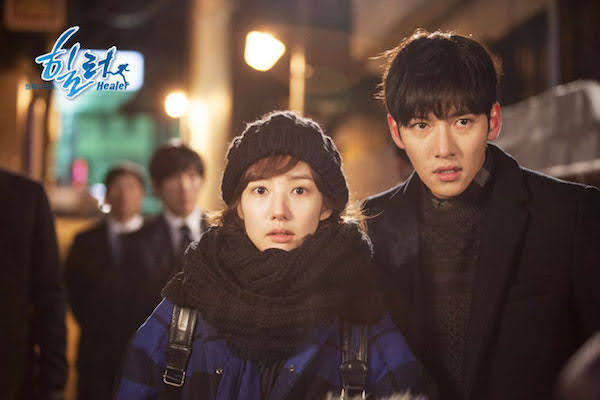
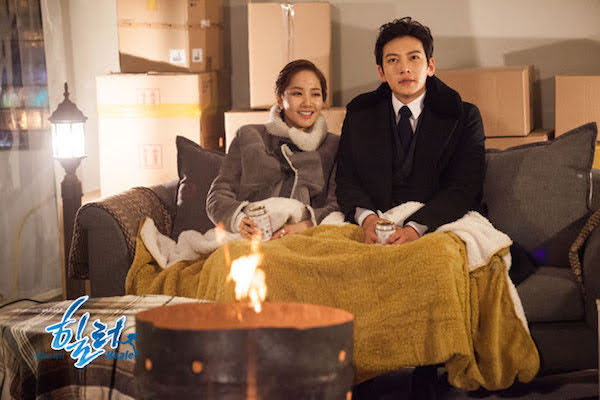
5 Reasons Why You Should Watch the K-Drama “Healer" - #FridayFeature

November 24, 2023
 

Asian dramas have taken the world by storm; K-dramas in particular. One that stands out as a must-watch for any Asian drama enthusiast is "Healer." If you are new to the world of K-dramas (or Asian Dramas) I need to put a disclaimer for you - this one is going to ruin you for a while. I know, because I started my Asian Drama journey with Healer and it took me a while to like anything else. It is THAT good. 


“Healer” is an action-packed series with an amazing romance running in parallel. It is sure to keep you hooked from the very first episode. Whether you are a newbie to this world of dramas, or a veteran - “Healer” is a must watch for you and I will give you 5 reasons why without too many spoilers!


1. Unconventional Protagonists: 

Our male protagonist is Seo Jung Hoo (played by Ji Chang-Wook) is a chameleon of sorts. He is a ‘night courier’ who runs unconventional errands for money. At first glance, he is not your knight is shining armour. But he is someone who plays any role required convincingly - from the night courier who is an expert in martial arts to a scaredy-cat reporter to a son trying to find out about his past. Our female protagonist is Chae Young Shin (played by Park Min-Young) is a fiery but ‘failed’ reporter. She aspires to be the best yet puts other people’s safety before her own aspirations. She is not fearless, but she is someone who do what is necessary despite her fears.


2. Well-Developed Characters:

It is not just our protagonists and antagonists that are well developed in the series. Each character brings in something to the plot. 

For instance, Kim Moon-Ho (played by Yoo Ji-Tae) is an ace reporter who refuses to access certain resources that are available to him because his sense of honour tell him that those resources are tainted. He is haunted by the past and wants to do what’s best for the victims even if it means that he has to go up against those close to him. Then there is the character of Chae Chi-Soo (played by Park Sang-Myeon) who through his actions show how blood doesn’t matter to be a family. His kind moments with his adoptive daughter will touch the audiences heart and ultimately is what shaped our female protagonist. 

Overall, there is a diverse set of characters who add depth to the over all plot.


3. Intriguing Plot and Thrilling Action:

The story revolves around secrets from the past of a group of friends, that not only affect the cast of characters in the present, but also the political situation of the country. As the characters dig up the secrets, they realise what they are really dealing with. The fight scenes involving Ji Chang-Wook are stylish and exciting enough to make you want to see more action sequences. The romance element of the story really works because of the chemistry between the characters is palpable as they really compliment each other.


4. Heartwarming Romance:

If the action sequences and the mystery angle of the plot gets your blood roaring, the romance in the series will get your heart thumping. If you are someone who loves ‘love-at-first-sight’ tropes, only then maybe this may not be your cup of tea. Our protagonists fall for each other slowly and steadily. They build a camaraderie that is bot fun and sweet. Their personalities are so different, yet similar at places that really matter. As a viewer, you will hoot and cheer for them to be together.


5. Memorable Soundtrack:

I don’t think I will ever be able to listen to ‘Eternal Love by MLTR’ and not think of this series ever again. Other than that ‘I will protect you by Ji Chang-wook’, ‘You by BEN’ and the Healer theme song just adds to the overall ambience of the series in a way that it is impossible to separate them.


Bonus Reason: Ji Chang-Wook! Yes he is easy on the eyes as most asian drama heroes are. The reason why I like him is because he is an expert at micro-expressions. Small things that he does in his acting really make you involved in the story telling. 


“Healer” is a favourite among K-Drama enthusiasts because everything about the series just falls into place to take the audience on a journey of action, thrills, heartbreak and love. I assure you that once you start the series, you will not be able to stop. Happy binge-watching!